 Tiktok
ウェザーニュースLiVE
Japan's 24/7 Weather Watch: How a Live Channel Became TikTok's Calm in the Storm
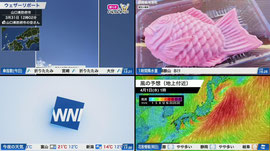
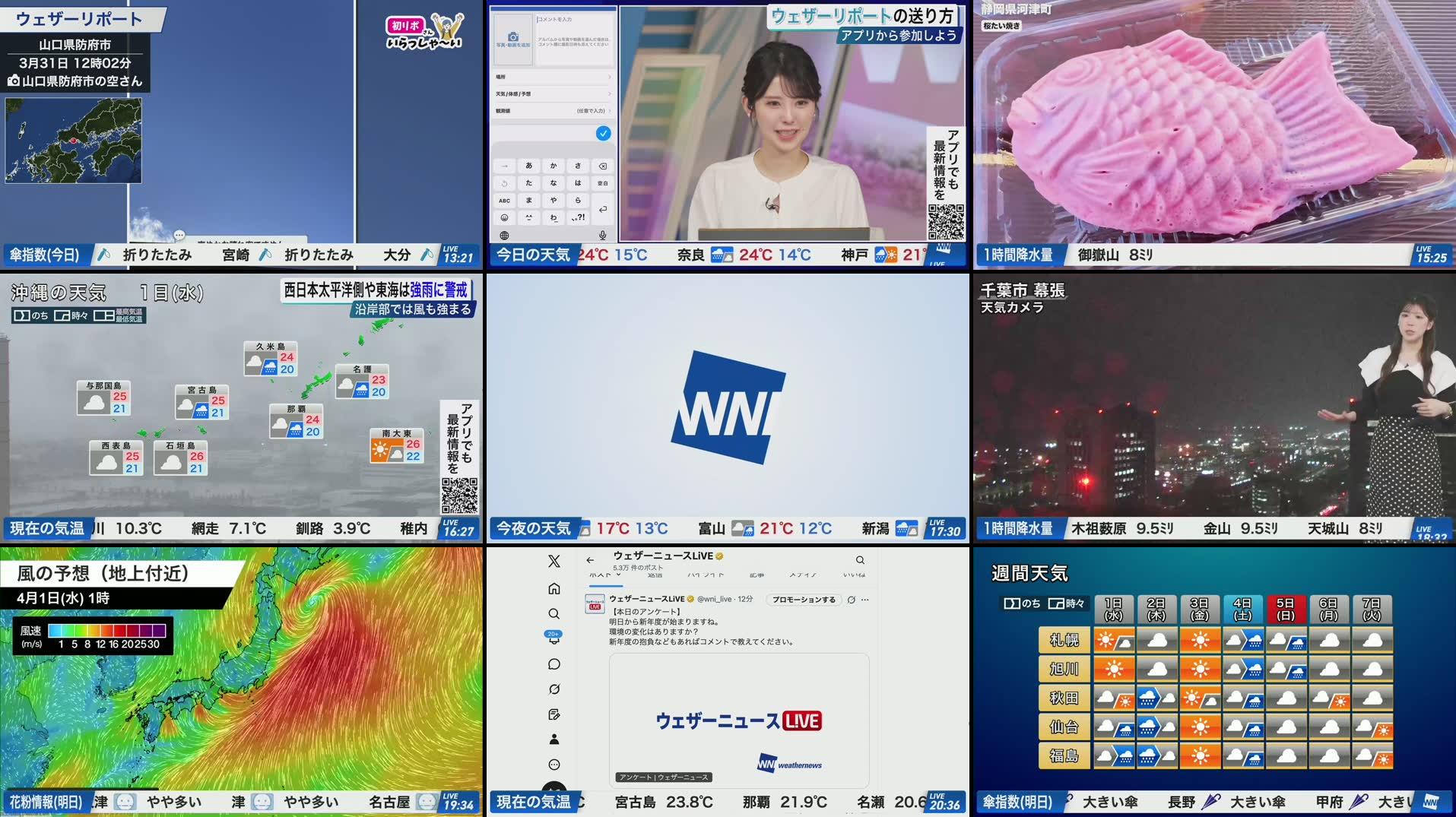
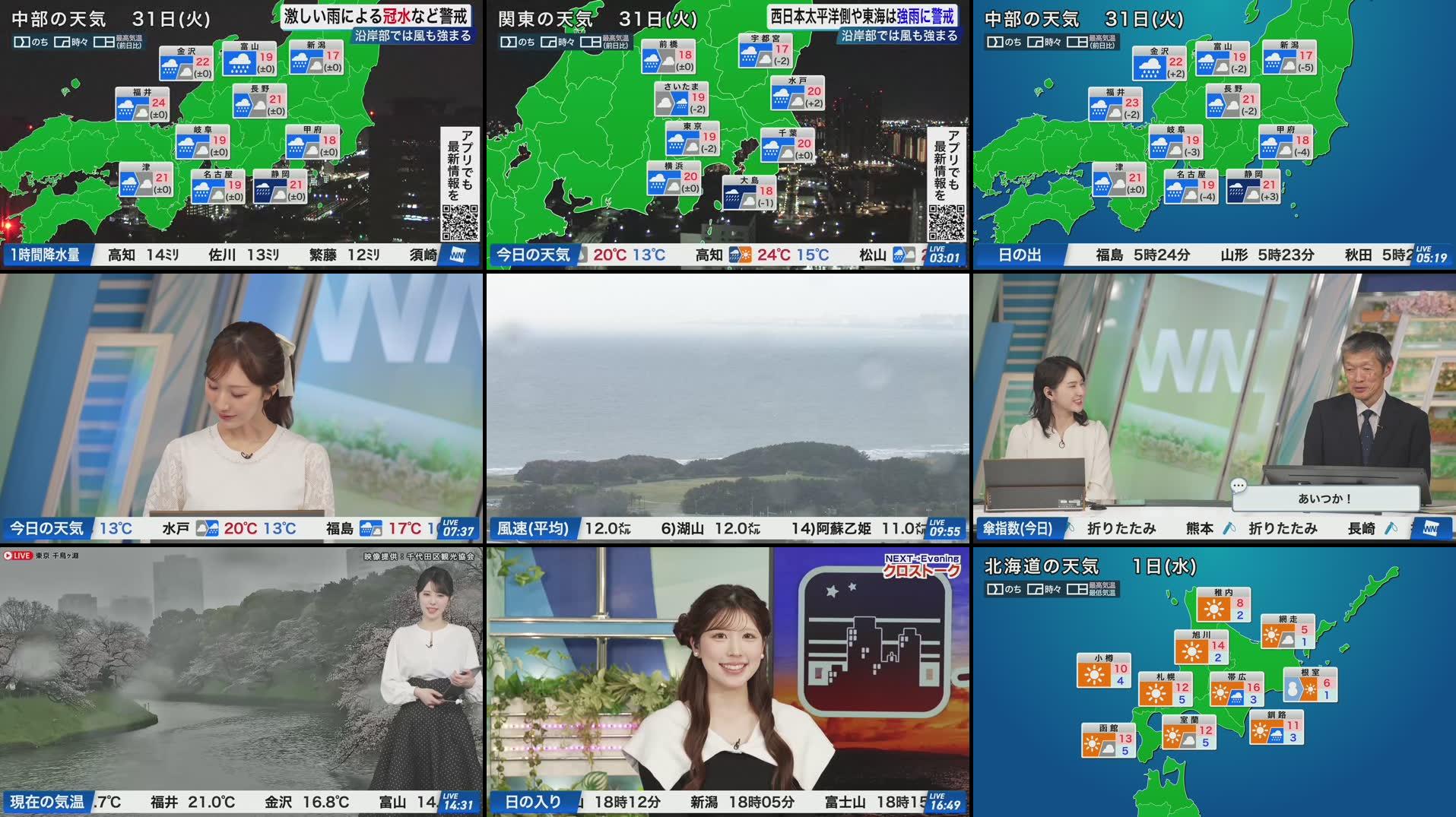
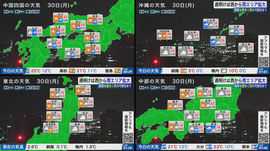
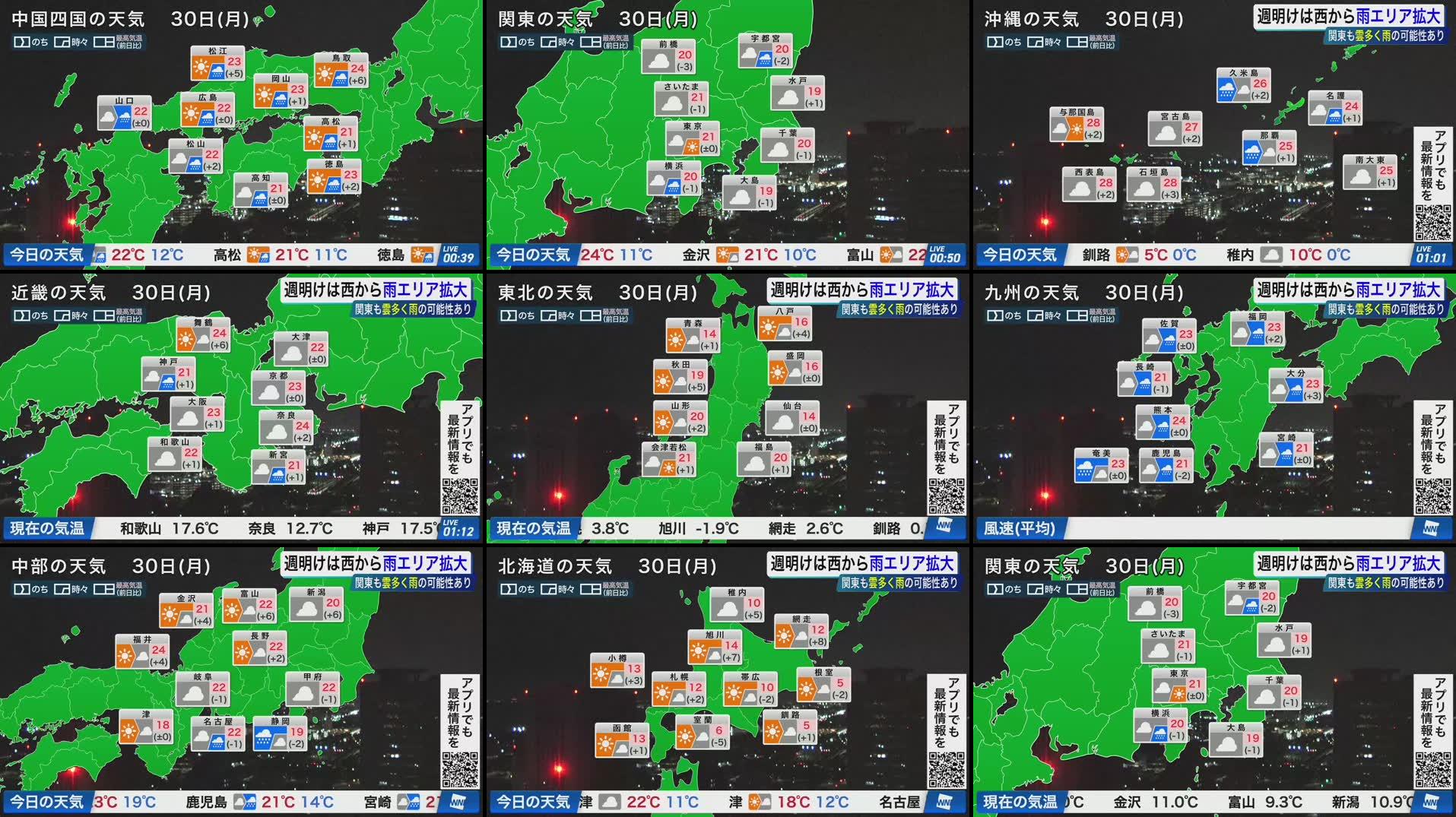
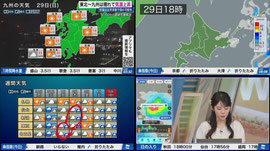
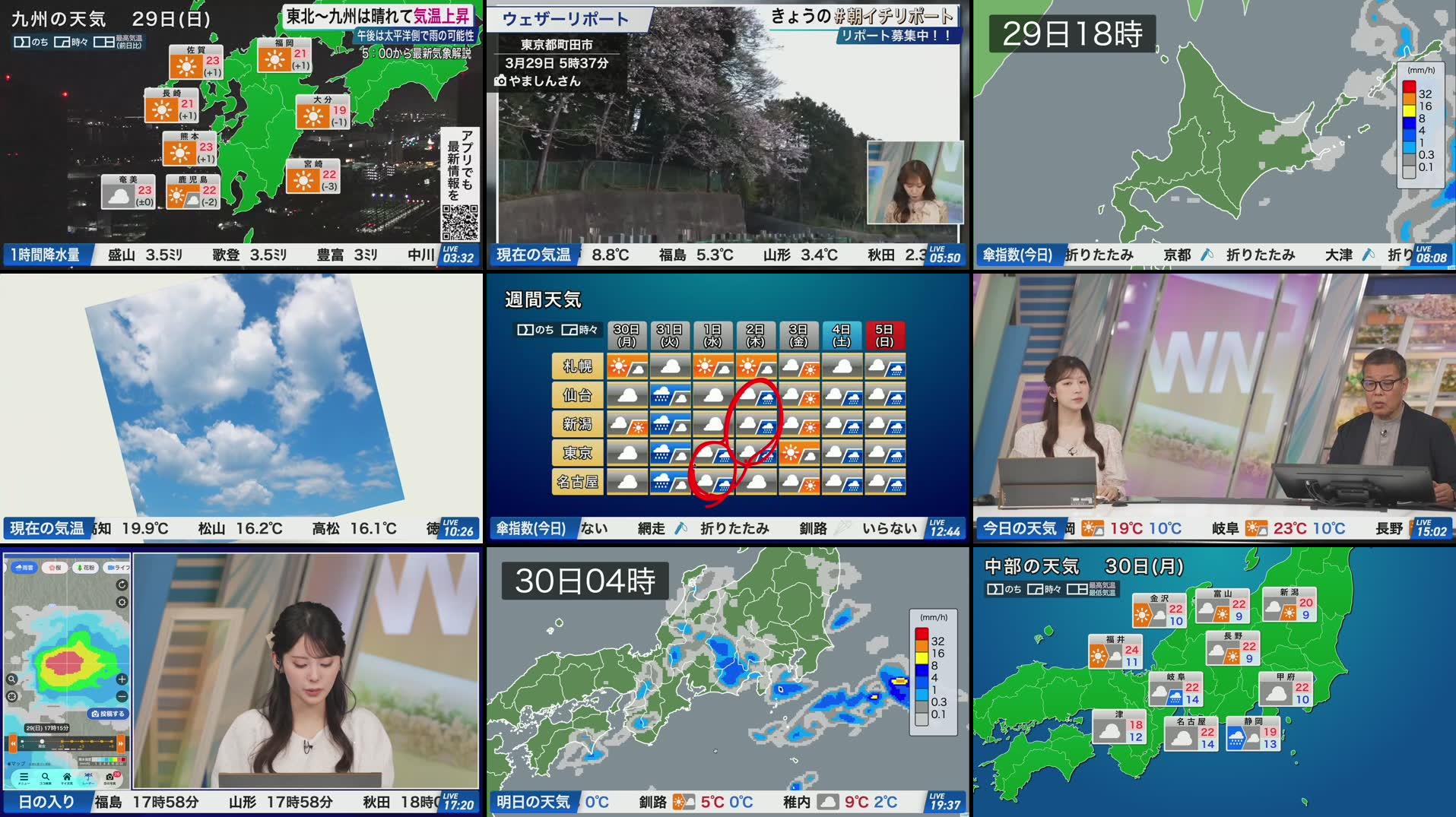
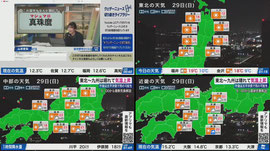
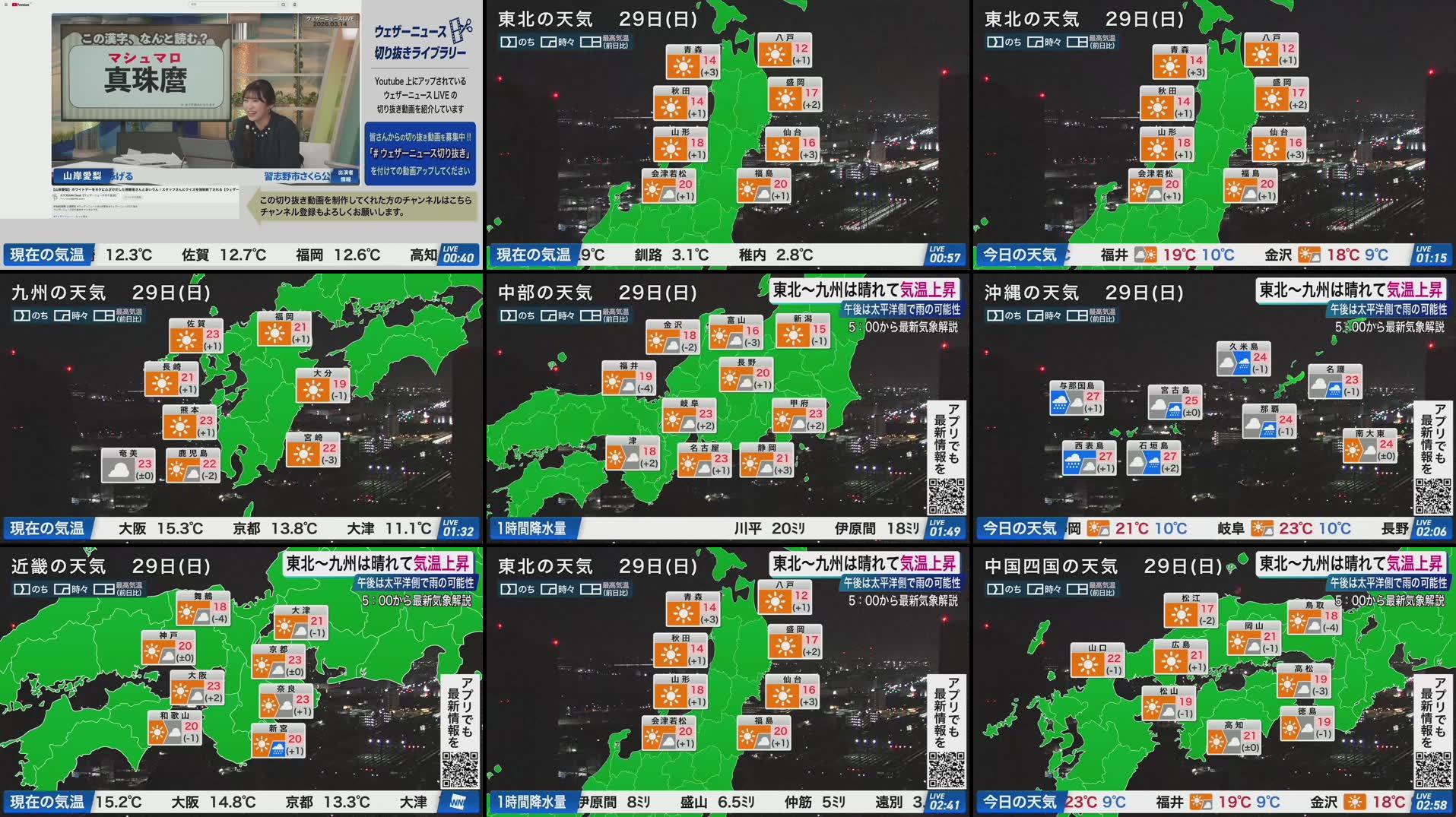
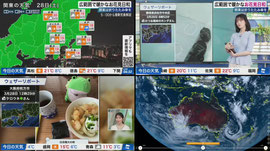
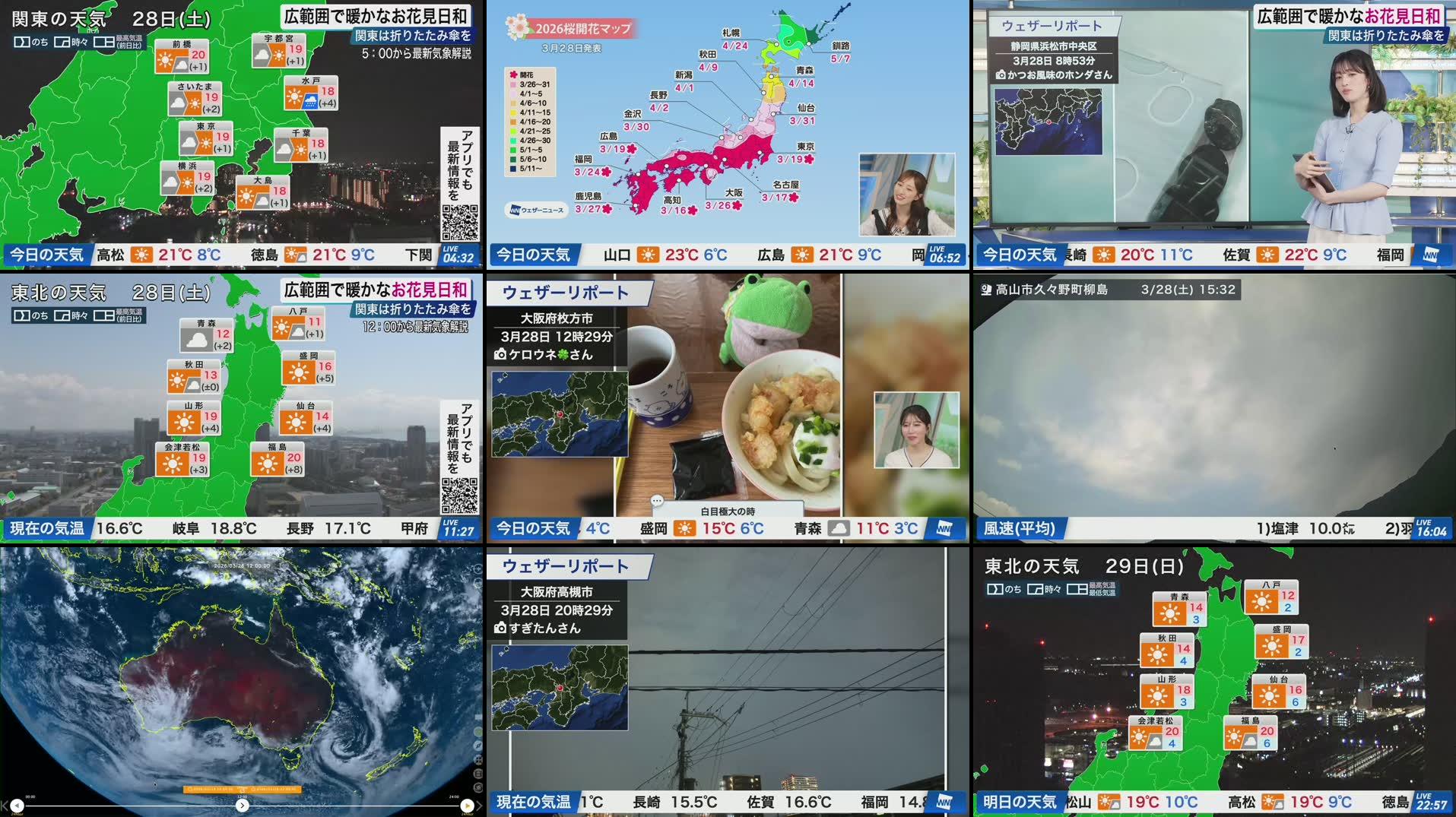
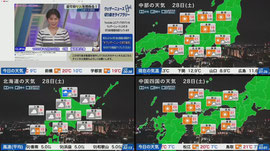
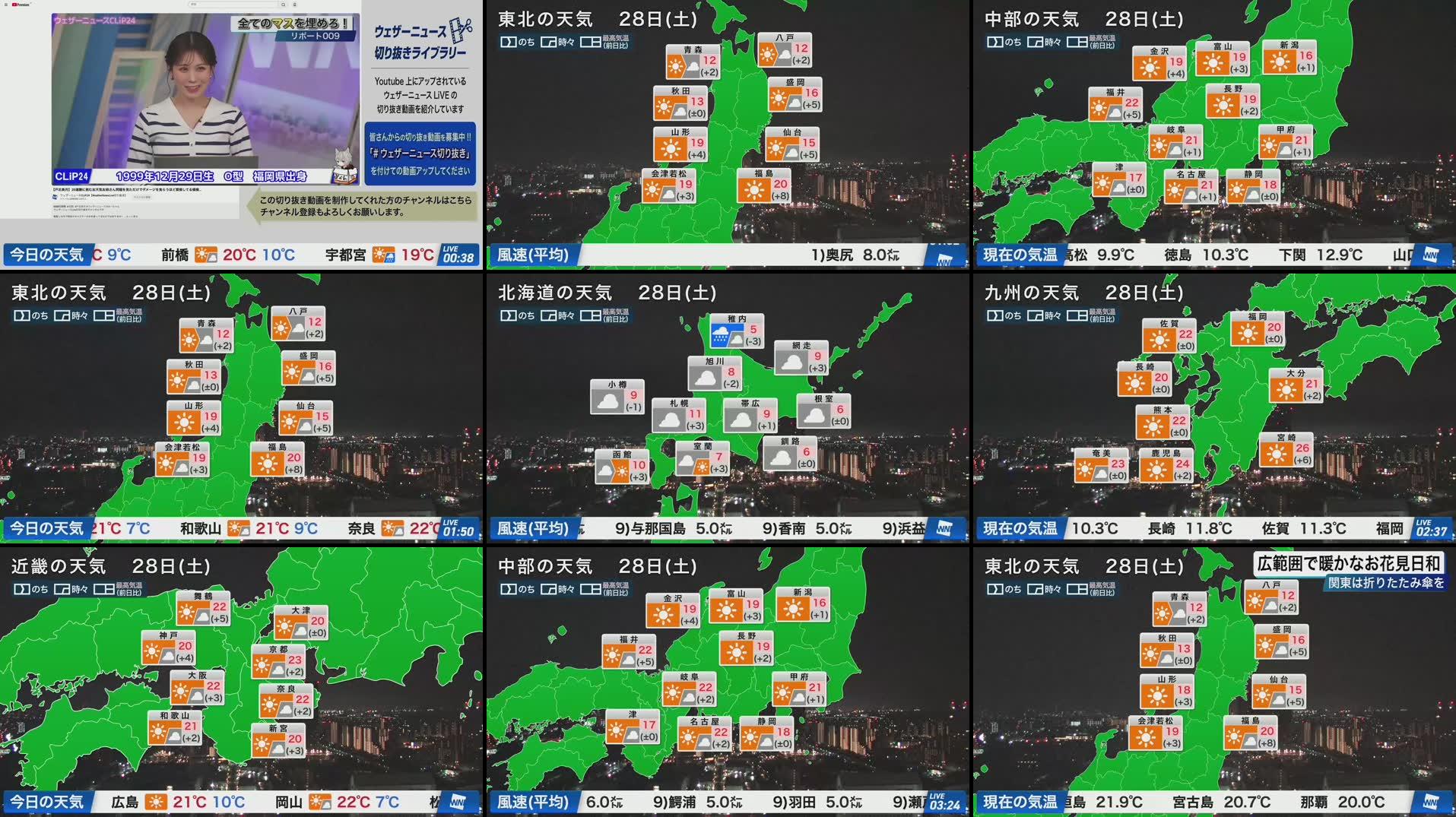
Ever scrolled TikTok expecting dance challenges and found yourself hypnotized by a live typhoon tracker instead? That’s the oddly soothing world of @weathernewslive, Japan’s 24/7 weather channel that somehow became a viral sanctuary for anxious commuters, curious students, and weather geeks worldwide. Forget flashy edits or trending sounds—this account streams real-time meteorological magic straight from Weathernews Inc., the Tokyo-based weather giant. While most creators chase virality, they’re quietly broadcasting live from 5 a.m. to 11 p.m. Japan time, turning radar maps and cloud formations into oddly compelling content. You’ll catch meteorologists in crisp blazers calmly dissecting volcanic ash patterns while chat floods with emojis from viewers in Osaka checking if their cherry blossom picnic will stay dry. It’s less "content," more communal weather vigil—and it’s weirdly addictive.
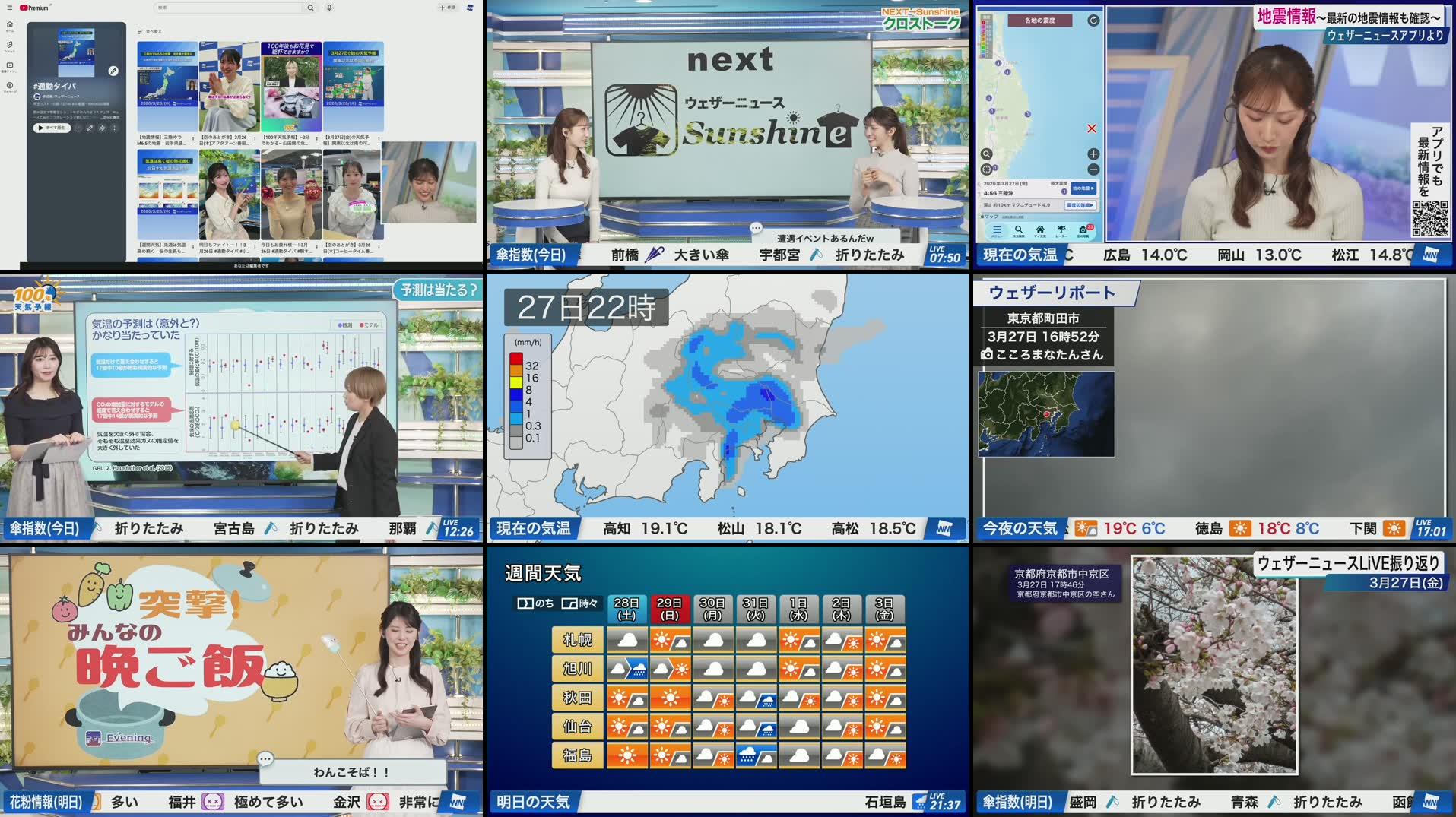
What makes them stand out isn’t just accuracy—it’s the human quirks woven into the science. During a recent morning segment, a caster giggled while explaining why Tokyo’s sudden downpour drowned someone’s umbrella (a viewer’s submitted photo showed it inside-out like a sad origami project). They spotlight user reports from their app: a fisherman in Hokkaido snaps fog swallowing his harbor, a Kyoto student films golden-leafed ginkgo trees trembling before a storm. Between typhoon updates, they’ll drop a random sekku (Japanese seasonal day) fact—like how November 9th marks "Frost Day," when ancient farmers prayed for gentle freezes. No corporate stiffness here; presenters banter with live chats, answering questions like "Will my flight to Fukuoka get canceled?" with the patience of a favorite teacher.
When disaster strikes, their role shifts from educator to lifeline. During last year’s Noto Peninsula earthquake, they ditched scheduled segments for urgent updates, overlaying evacuation routes on trembling seismic graphs. Casters stayed on air for hours, their voices steady as they translated jargon like "JMA magnitude 6.5" into plain warnings: "If you’re in Wajima, move uphill NOW." Unlike algorithm-driven clips, this is raw, unfiltered crisis coverage—no cuts, no sponsors, just meteorologists pointing at live tsunami models while viewers share real-time road conditions. It’s why Japanese locals treat them like a trusted neighbor, not just another channel.
Their TikTok growth feels accidental, almost anti-social-media. No hashtags, no duets—just pure utility. Yet teens use it to time scooter rides between rain showers, while expats in Sapporo learn to read snowflake icons for school closures. One fan commented, "I don’t speak Japanese, but the maps + their calm voices = instant anxiety relief." That’s the secret: in a feed of chaos, they’re a steady pulse. You won’t find them chasing trends; they’re too busy explaining why Mount Fuji’s snow cap vanished early this year.
It’s refreshing to see a creator prioritize substance over spectacle. While others chase views, @weathernewslive treats weather as both science and shared story—where a typhoon isn’t just data, but the reason your train’s delayed and your neighbor’s checking if you’re okay. In an age of digital noise, sometimes the most radical act is simply telling people when to carry an umbrella. And honestly? We could all use more of that quiet reliability.