 Tiktok
How a TikTok Creator Is Saving Taiwan's Soulful Opera—One Viral Video at a Time
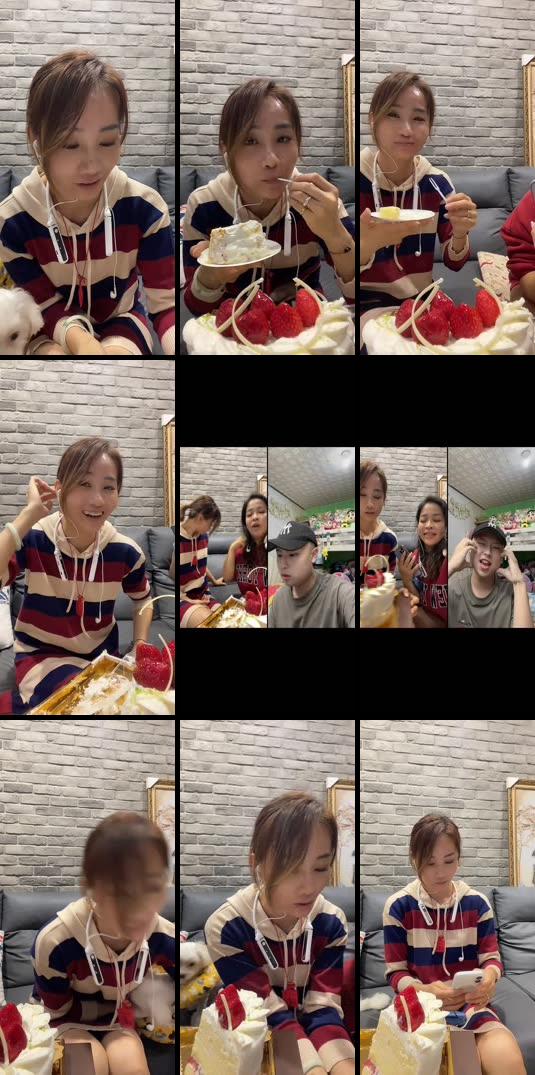
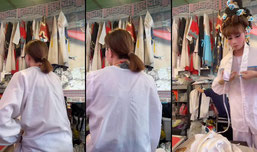
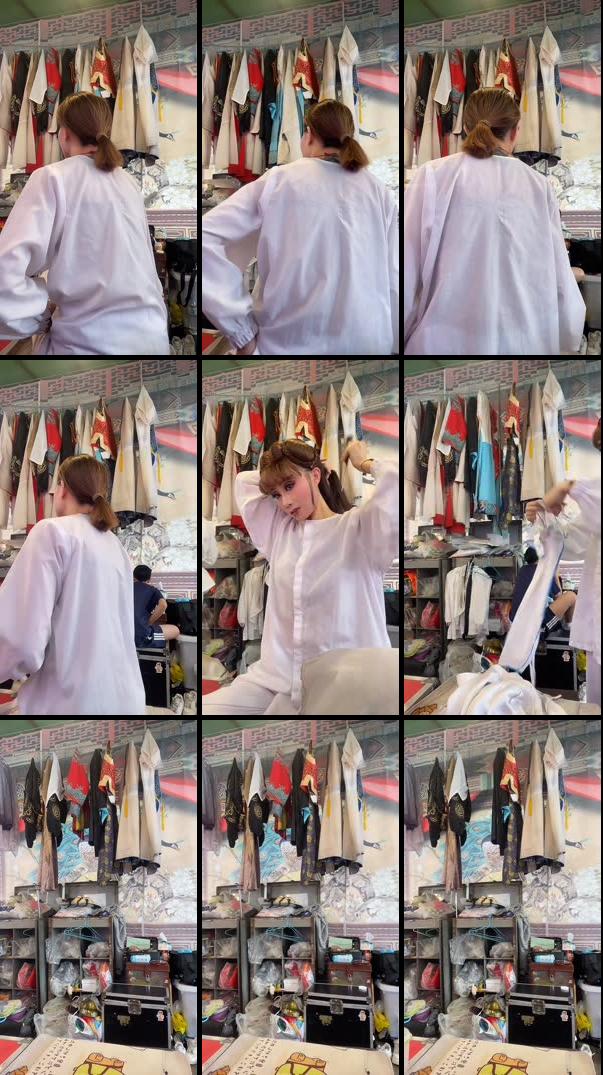
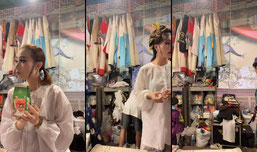
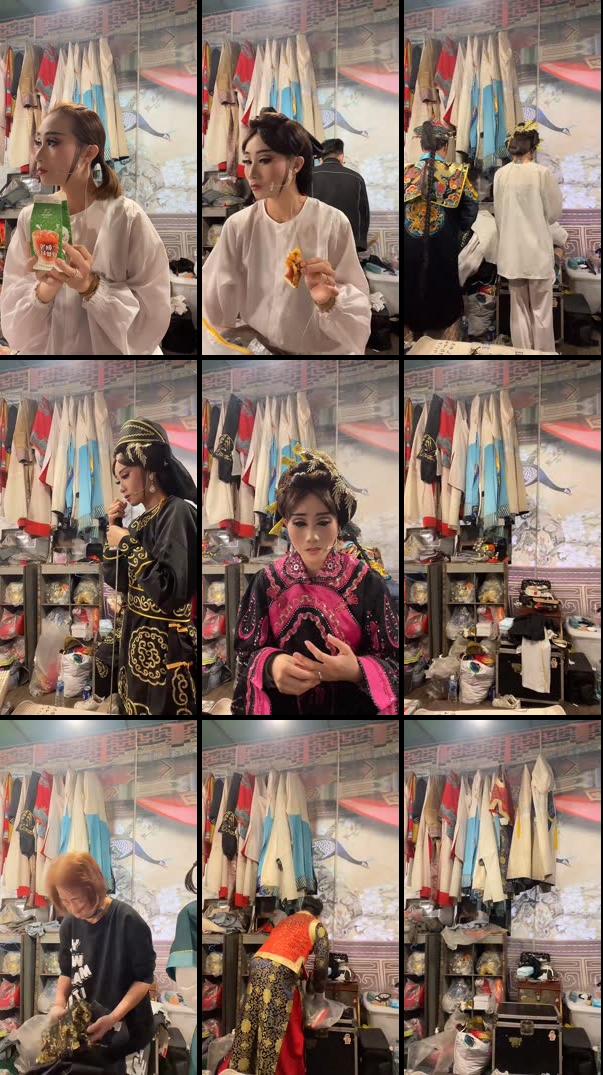
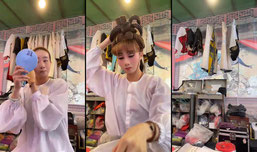
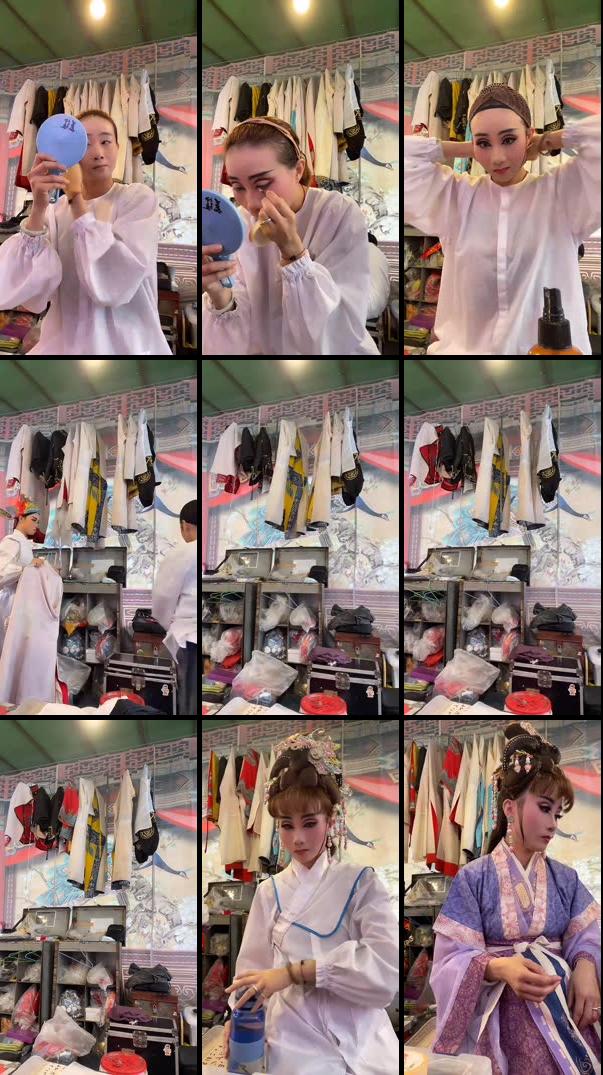
Scrolling through TikTok, you’ll stumble upon endless dance routines and lip-syncs, but then there’s this quiet corner where centuries-old melodies float over split screens. @sherry801212—known as 少女會演歌仔戲, or “Girl Who Can Sing Gezai Opera”—isn’t chasing trends. She’s resurrecting *gezai xi*, Taiwan’s vibrant folk opera, with nothing but a smartphone and raw passion. Clad in flowing silk robes or mid-transformation with intricate *lianpu* face paint, her videos feel like stolen moments from a bygone era. One clip shows her fingers tracing delicate gestures while explaining how a single wrist movement conveys heartbreak in *The Peony Pavilion*. It’s intimate, almost like she’s teaching you in her living room, not broadcasting to thousands.
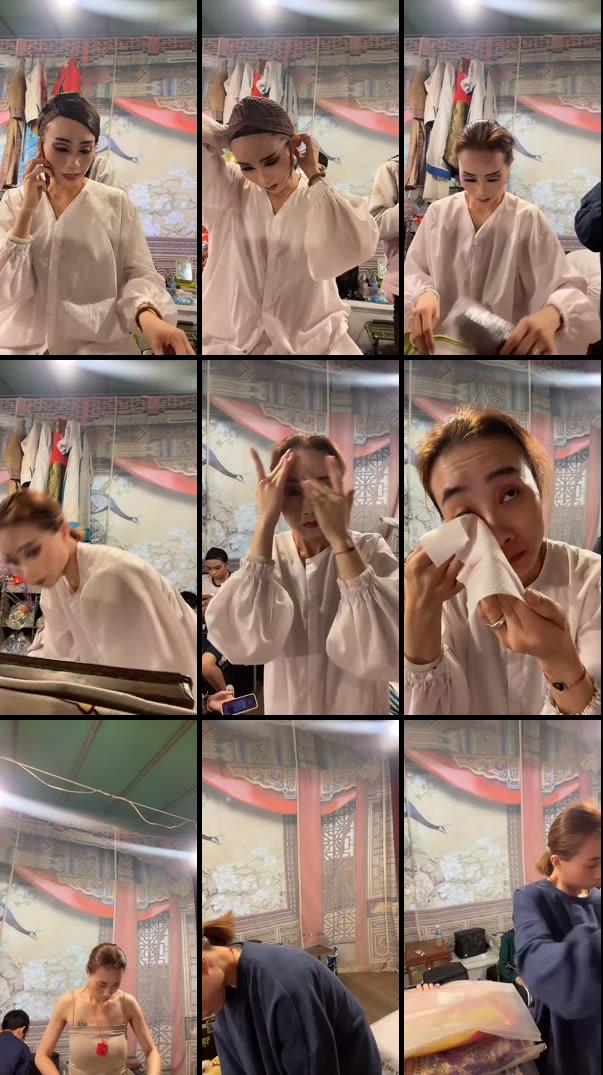
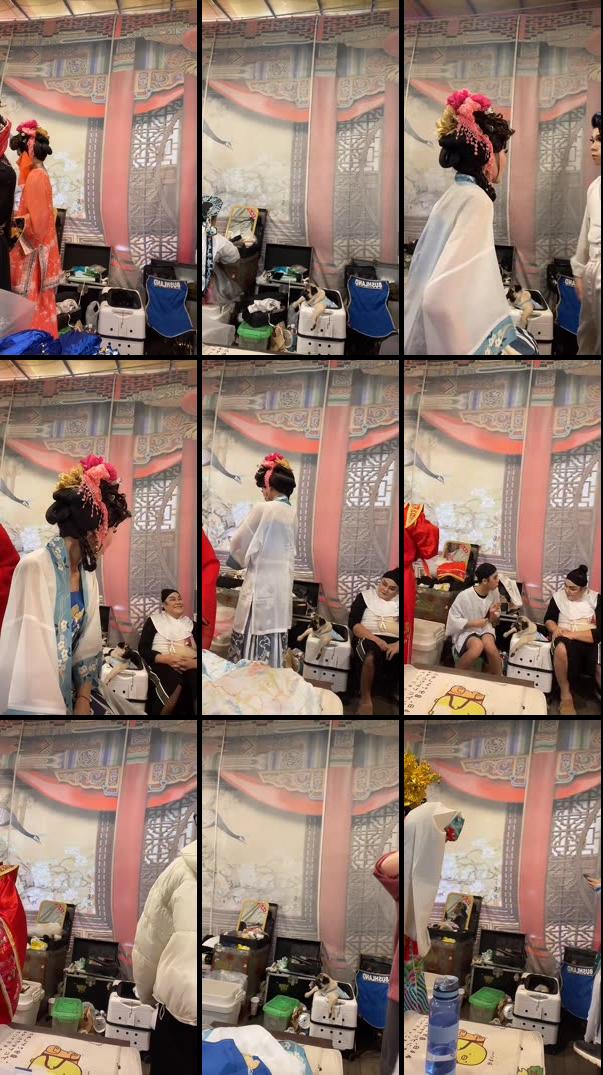
Her magic lies in stripping grandeur down to accessibility. A 15-second snippet might zoom in on her embroidered slippers pounding rhythms during a drum solo, followed by a casual caption: “This beat? It’s farmers stomping rice paddies—turned into art.” She avoids overproduced glitz, often filming in sun-dappled courtyards or backstage at community theaters, where stray cats wander and costume racks peek into frame. In one video, her little sister giggles off-camera as she demonstrates a high-pitched vocal technique, shouting, “Aunty, try again!” That unpolished humanity makes tradition feel alive, not frozen in a museum.
Viewers, especially young overseas Taiwanese, flood her comments with “This is my heritage!” and tearful thanks for subtitles translating Hokkien lyrics. She’s sparked mini-revivals too: teens posting their own attempts at *gezai* hand gestures, elders sharing childhood memories of street performances. One fan DM’d her about reconnecting with their grandmother after watching a video on *moli hua* (jasmine flower symbolism), calling it “a key to lost conversations.” Beyond virality, she’s quietly stitching generational seams—proving opera isn’t just for grandparents’ birthdays anymore.
Yet, it’s not all graceful spins. She’s openly discussed the grind: vocal strain from daily practice, the cost of handmade costumes swallowing months of savings, or frustration when algorithms bury her videos under dance challenges. In a rare off-mic moment, she filmed tangled wig strands stuck to her cheek, muttering about “tradition meeting tech fails.” But she pushes back gently—like when she turned hate comments about “cringe old songs” into a duet challenge, inviting duos to remix *gezai* with electronic beats. Resilience here isn’t loud; it’s in the stubborn flick of her sleeve.
What sticks with you isn’t just the artistry—it’s how she makes preservation feel urgent and joyful. Watching her spin a porcelain teacup on her finger during a performance (a nod to *acrobatic opera*), you realize she’s not just singing history. She’s handing it to you, cup by cup, in a world that’s forgotten how to slow down. In her feed, every note is a rebellion against forgetting, and every like stitches another thread into Taiwan’s cultural tapestry.